
QR Menu Ninja vs Tailride
Side-by-side comparison to help you choose the right tool.

QR Menu Ninja
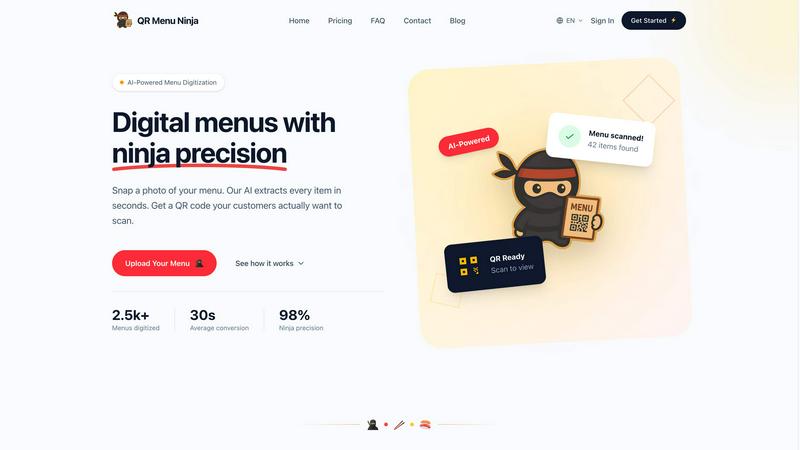
QR Menu Ninja lets restaurants create fast, mobile-friendly QR code menus that are easy to update, share, and manage—no apps required.

Tailride
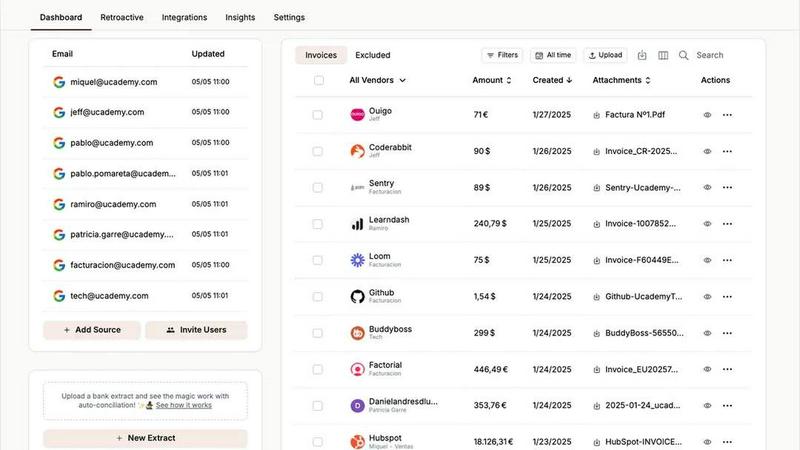
Tailride automates invoice and receipt management from your inbox, saving you hours and keeping your finances organized.
Last updated: February 26, 2026
Visual Comparison
QR Menu Ninja
Tailride
Overview
About QR Menu Ninja
QR Menu Ninja is a simple, fast solution that helps restaurants create and manage digital QR code menus. It allows owners to update prices, items, and availability instantly without reprinting menus or relying on third-party platforms. Designed for mobile-first use, QR Menu Ninja delivers clean, easy-to-read menus that work on any device—no app downloads required. It’s ideal for cafés, bars, and restaurants that want a modern, contactless menu experience while keeping full control over their content and branding.
About Tailride
Tailride is an innovative AI-powered accounting automation platform designed to streamline the invoicing process for businesses and accountants alike. By seamlessly connecting to your email inbox, Tailride automatically detects and extracts invoices and receipts from emails and attachments, eliminating the need for manual data entry. This platform is particularly beneficial for small to medium-sized enterprises and accounting firms with multiple clients, as it saves hundreds of hours by automating tedious tasks. With features such as intelligent document recognition, a user-friendly Chrome extension for quick invoice extraction from numerous platforms like Amazon and Meta Ads, and customizable AI rules for automatic categorization, Tailride simplifies the accounting workflow. Its integration capabilities with popular platforms like QuickBooks, Xero, and Google Drive further enhance its utility, making it an essential tool for businesses looking to improve efficiency and accuracy in their financial processes.