Pipeline vs Product Launchpad
Side-by-side comparison to help you choose the right tool.

Pipeline
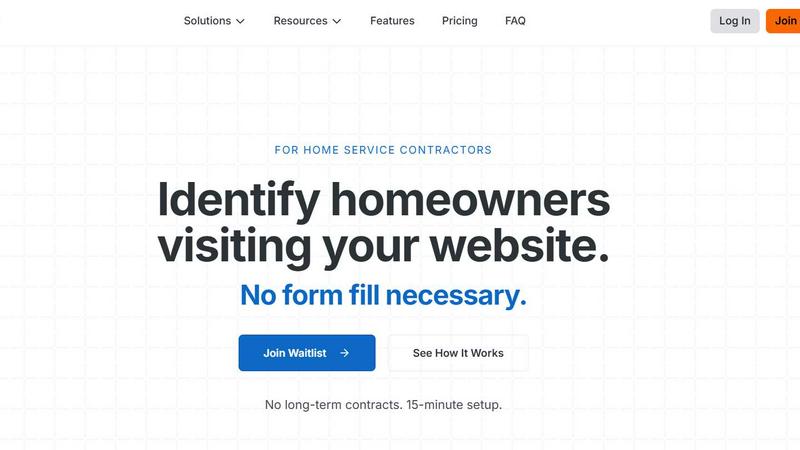
Pipeline uncovers anonymous website visitors, transforming them into leads without any form fills required.
Last updated: February 26, 2026

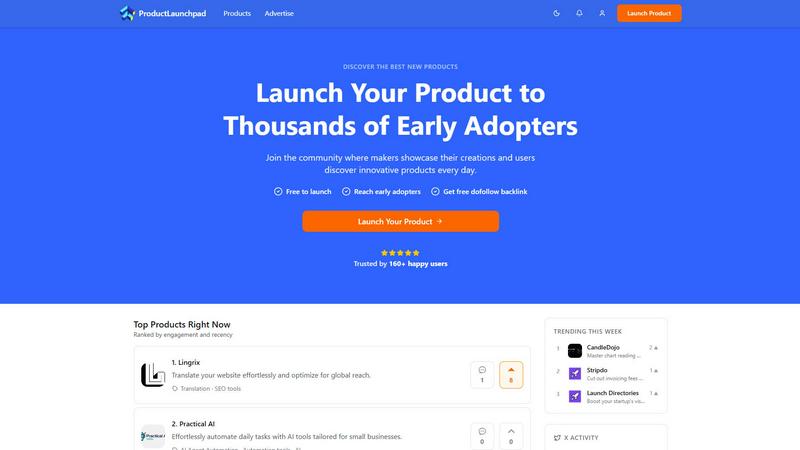
Launch your product to early adopters and keep getting visibility, traffic, and users over time.
Visual Comparison
Pipeline
Product Launchpad
Overview
About Pipeline
Pipeline is an innovative tool designed specifically for home service companies looking to maximize their lead generation efforts. It identifies anonymous traffic on your website, allowing you to capture the contact information of potential customers who browse your site without filling out a form. This unique capability means you can significantly increase your lead pool, capturing up to 40% of your website visitors who would otherwise remain unidentified. With a typical industry conversion rate of just 4%, Pipeline can help you 10x your leads, effectively turning wasted clicks into valuable opportunities. By integrating seamlessly with popular CRM platforms, Pipeline facilitates automated follow-ups via email, calls, texts, postcards, and even door knocking, ensuring that you stay connected with potential customers and convert them into paying clients.
About Product Launchpad
ProductLaunchpad is a launch platform for founders, indie hackers, and marketing teams who want consistent growth, not a short spike. Most platforms give you attention for a day. After that, your product disappears. ProductLaunchpad is built differently.
Your product stays discoverable and continues to reach early adopters over time. You can launch in minutes with AI-assisted submission, get a free dofollow backlink, and improve your visibility in search engines and LLMs.
The focus is on long-term exposure and matching products with the right users. This helps you generate ongoing traffic, feedback, and signups instead of chasing one-time launch metrics.