Image to Music AI vs Pathoura
Side-by-side comparison to help you choose the right tool.

Image to Music AI
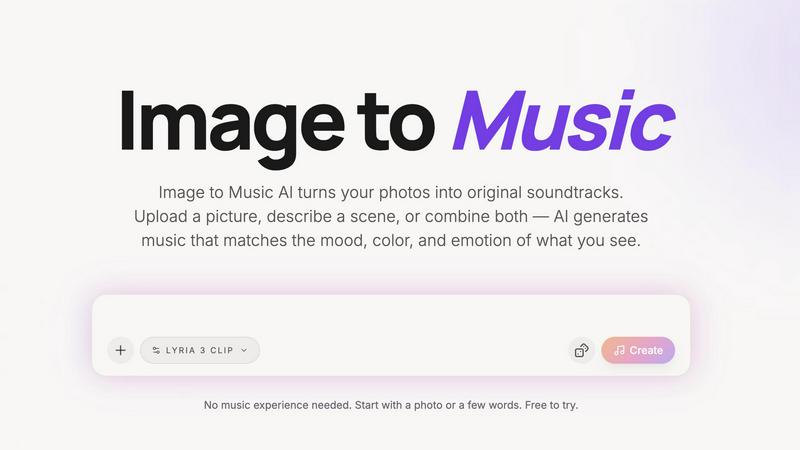
Turn any photo into a unique AI soundtrack that matches its mood and emotion.
Last updated: April 13, 2026

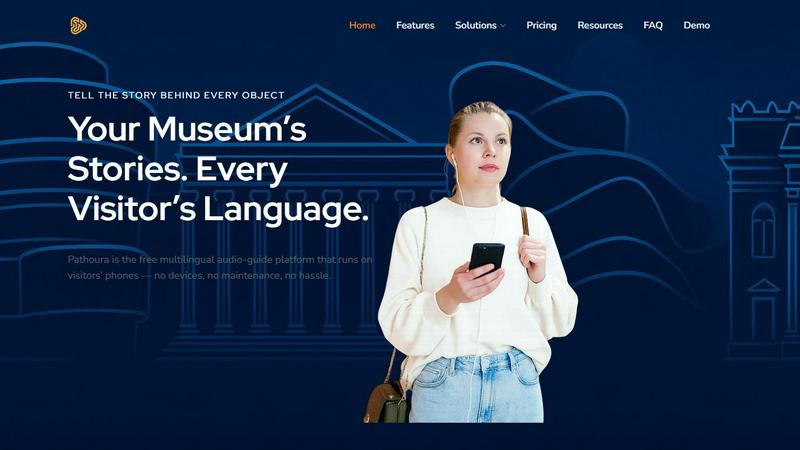
Pathoura offers AI-driven multilingual audio guides on smartphones, enhancing museum experiences with instant, engaging.
Last updated: March 1, 2026
Visual Comparison
Image to Music AI
Pathoura
Feature Comparison
Image to Music AI
Dual Input Modes: Photo & Text
Start your creative process in the way that suits you best. You can directly upload any photo—a landscape, portrait, or abstract art—and let the AI interpret its visual story. Alternatively, if you have a scene in mind but no picture, simply type a description like "a quiet coffee shop at dawn." For the ultimate control, you can even combine both, using an image as the foundation and adding text prompts to fine-tune the direction.
Full Creative Control with Prompts
While the AI is brilliant at interpreting images, you remain the director. After uploading your photo, you can use text prompts to steer the genre, tempo, and instrumentation of your generated track. Want that serene mountain photo to have an epic orchestral feel instead of ambient piano? Just adjust the prompt. This feature ensures the final music aligns perfectly with your creative vision, not just the AI's first interpretation.
Side-by-Side Track Comparison
Making decisions is easy when you can compare your options. This feature allows you to generate multiple music tracks from the same single image and prompt. You can then listen to these different versions side-by-side to instantly hear which one best captures the mood you're after. It takes the guesswork out of creation and helps you confidently select the perfect soundtrack.
Downloadable, Royalty-Free Audio
Once you've found your perfect track, you can download it directly with no hidden requirements or complicated licensing. The audio output is yours to use in your projects, providing royalty-free background music for videos, podcasts, presentations, or personal enjoyment. This makes it a practical and reliable tool for creators who need ready-to-use, original music.
Pathoura
AI-Powered Multilingual Audio Guides
Pathoura utilizes advanced AI translation to adapt text and narration scripts across various languages. This ensures clear, accessible, and manageable interpretation, allowing museums to serve diverse audiences effortlessly.
Audio Guides on Visitors' Phones
With Pathoura, audio guides are accessible directly on visitors' smartphones. This eliminates the need for special hardware or app installations, making it easy for visitors to engage with exhibits instantly.
Easy Exhibit Management
The platform allows museums to create and manage exhibits effortlessly through its user-friendly web dashboard. Curators can add titles, stories, images, and even existing audio files, keeping content organized and up-to-date.
Instant Translation and Narration
Pathoura features a quick and efficient process to translate exhibit text into over 20 languages and generate expressive audio narrations in seconds. This feature empowers museums to update content quickly as exhibitions evolve without incurring high costs.
Use Cases
Image to Music AI
For Content Creators & Musicians
Vloggers, YouTubers, and social media creators can generate unique, royalty-free background music in minutes. Simply use a keyframe from your video as the input image, and get a custom soundtrack that matches the visual mood perfectly, elevating your content without copyright worries or expensive production costs.
For Filmmakers and Animators
Storyboard a scene and turn it into a temporary or even final score. Filmmakers and animators can upload concept art, storyboard frames, or scene stills to quickly generate atmospheric music that matches the intended emotion, helping to pitch ideas, set the tone during editing, or inspire the final composition.
For Marketing and Advertising
Create cohesive audio branding and custom jingles that visually and sonically represent a brand or campaign. Advertisers can use product photos, brand imagery, or campaign visuals to generate original music that reinforces the brand's identity, making for memorable and emotionally resonant commercials or online ads.
For Personal Memory and Art Projects
Transform personal photos—like a wedding picture, a travel landscape, or a child's drawing—into a personalized musical piece. It's a novel way to commemorate memories, create gifts, or add an auditory dimension to art projects and mood boards, making feelings associated with an image tangible through sound.
Pathoura
Enhancing Visitor Experience at Museums
Museums can use Pathoura to provide a personalized audio guide experience, allowing visitors to explore exhibits at their own pace while listening to detailed narratives in their preferred language.
Streamlining Audio Guide Management
Pathoura simplifies audio guide management for museums by removing the need for cumbersome physical devices, enabling staff to focus more on enhancing visitor engagement rather than managing equipment.
Supporting Temporary Exhibitions
During temporary exhibits, museums can quickly update audio guides using Pathoura, ensuring that all information remains current and relevant, thereby enhancing the visitor experience without significant time investment.
Promoting Cultural Accessibility
With its multilingual capabilities, Pathoura allows museums to cater to an international audience, breaking down language barriers and making cultural experiences more inclusive for all visitors.
Overview
About Image to Music AI
Image to Music AI is a revolutionary tool that transforms your visual world into a unique auditory experience. It's designed for anyone who wants to create original music but doesn't know where to start or lacks musical training. The core idea is beautifully simple: upload any photo or type a description of a scene, and the AI will analyze it to generate a matching soundtrack. It reads the mood, colors, textures, and energy from your image—like a warm sunset, a chaotic cityscape, or a misty forest—and composes a piece of music that captures that exact feeling. This process bridges the gap between what you see and what you feel, making music creation as easy as sharing a picture. Whether you're a content creator needing a quick soundtrack, a filmmaker visualizing a scene, or someone wanting to turn a cherished memory into a song, this tool provides a fast, intuitive, and powerful way to bring your visuals to life with sound. Best of all, it's built to be accessible, offering a free starting point so you can experiment and discover the magic of turning images into music.
About Pathoura
Pathoura is a cutting-edge audio-guide platform designed specifically for museums, galleries, and heritage sites. Its primary goal is to create enriching, multilingual experiences for visitors, making cultural storytelling accessible to a broader audience. The platform addresses the challenges posed by traditional audio guide systems, such as high costs and complicated logistics, thereby providing an efficient solution that caters to institutions of all sizes. With Pathoura, museums can seamlessly manage their tours, enhance exhibit details, and curate visitor routes using an intuitive web dashboard. The incorporation of advanced AI technology allows for the generation of natural-sounding audio narratives in over 20 languages, ensuring that cultural stories resonate globally. By enabling visitors to access guides via QR codes or links, Pathoura eliminates the need for physical devices, ongoing maintenance, and costly studio recordings. Additionally, the platform supports built-in monetization options, allowing museums to cultivate sustainable revenue while delivering captivating storytelling experiences at minimal setup costs.
Frequently Asked Questions
Image to Music AI FAQ
How does Image to Music AI work?
The process is simple and happens in three steps. First, you upload a photo or describe a scene. The AI then analyzes the visual elements of your input, such as colors, composition, and perceived mood. Finally, it uses this analysis to compose an original piece of music that sonically represents those elements, delivering a track to you in just 2 to 5 minutes.
Do I need any music experience to use this?
Absolutely not! Image to Music AI is designed specifically for people with no music theory or production knowledge. The entire point is to make creation accessible. You start with what you already understand—a picture or a feeling—and the AI handles the complex task of composition. It's as easy as uploading a photo and hitting "create."
What kind of music genres can it create?
The tool supports a wide and growing range of genres to match diverse visuals and moods. This includes piano solos, guitar ballads, orchestral scores, EDM, jazz, blues, cinematic ambience, folk, R&B, Latin pop, Afropop, reggaeton, and even 8-bit chiptune. You can often guide the genre using the text prompt feature alongside your image.
Can I use the music I create for commercial projects?
Yes, the audio tracks you generate and download are royalty-free, meaning you can use them in your commercial projects like YouTube videos, podcasts, advertisements, and presentations without worrying about copyright strikes or additional fees. Always check the latest terms of service for specific details regarding licensing.
Pathoura FAQ
How does Pathoura work?
Pathoura enables museums to create and publish audio guides effortlessly. Users input exhibit details into the dashboard, and the platform translates and narrates the content automatically, making it accessible to visitors via QR codes.
Is Pathoura user-friendly for non-technical staff?
Absolutely! Pathoura is designed for ease of use, allowing museum staff without technical expertise to manage exhibits, translations, and narrations easily through an intuitive interface.
What languages does Pathoura support?
Pathoura supports audio narration and translations in over 20 languages, ensuring that museums can cater to diverse audiences and make their exhibits accessible to more visitors.
Are there any costs associated with using Pathoura?
While Pathoura offers a free starting option, there may be costs associated with additional features or credits for premium services. Museums can choose the plan that best fits their needs.
Alternatives
Image to Music AI Alternatives
Image to Music AI is a creative tool in the audio and content creation space. It uses artificial intelligence to generate original music tracks based on the visuals and mood of a photo you upload or a scene you describe. This makes it easy for anyone to create custom soundtracks without needing musical training. People often explore other options for various reasons. Some might be looking for a different pricing model, such as a one-time purchase instead of a subscription. Others may need specific features, like longer audio outputs, more control over the musical structure, or integration with other creative software they use. The platform you work on, like a mobile app versus a desktop website, can also influence the search. When choosing a different tool, consider what matters most for your projects. Think about the quality and style of music it produces, how much creative control you have over the output, and the cost structure. Also, check how easy it is to use and whether you can legally use the generated music for your intended purpose, like in videos or podcasts.
Pathoura Alternatives
Pathoura is an innovative audio-guide platform designed for museums, galleries, and heritage sites, utilizing AI technology to deliver multilingual audio experiences directly to visitors' smartphones. This modern approach simplifies the visitor experience and reduces the costs associated with traditional audio guide systems, making it suitable for institutions of all sizes. Users often seek alternatives to Pathoura for various reasons, such as pricing, specific features, or unique platform needs that may not be fully met. When choosing an alternative, it's essential to consider factors like ease of use, language support, monetization options, and the ability to manage content effectively. Ultimately, finding a solution that aligns with your institution's goals and visitor expectations will enhance the overall experience.