CloudBurn vs RocketShare
Side-by-side comparison to help you choose the right tool.

CloudBurn
CloudBurn automatically estimates AWS costs in pull requests, helping you prevent expensive infrastructure mistakes.
Last updated: February 28, 2026

RocketShare
Share your files with total privacy using encryption we can't even access.
Last updated: March 4, 2026
Visual Comparison
CloudBurn
RocketShare
Feature Comparison
CloudBurn
Real-Time Cost Estimates
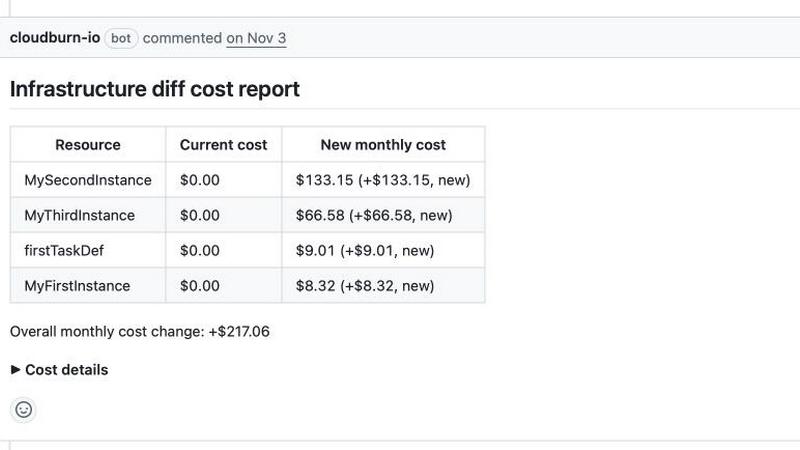
CloudBurn provides immediate cost estimates for infrastructure changes as part of the PR review process. This feature enables teams to see the exact dollar impact of their changes, ensuring that financial considerations are taken into account before any deployment.
Seamless GitHub Integration
CloudBurn integrates effortlessly with your existing GitHub workflow. Once configured, it automatically analyzes pull requests, making it easy for developers to receive cost analysis without disrupting their usual coding practices.
Automated FinOps
With CloudBurn, financial operations are integrated into your CI/CD workflow. This automated approach means that teams can continuously monitor costs, catching potential issues before they escalate, and ensuring that infrastructure changes align with budgetary constraints.
Detailed Cost Reports
Every time a pull request is made, CloudBurn generates a detailed cost report, breaking down the impact of changes on monthly AWS costs. This level of transparency allows developers to engage in meaningful discussions about resource allocation and budgeting.
RocketShare
Zero-Knowledge Encryption
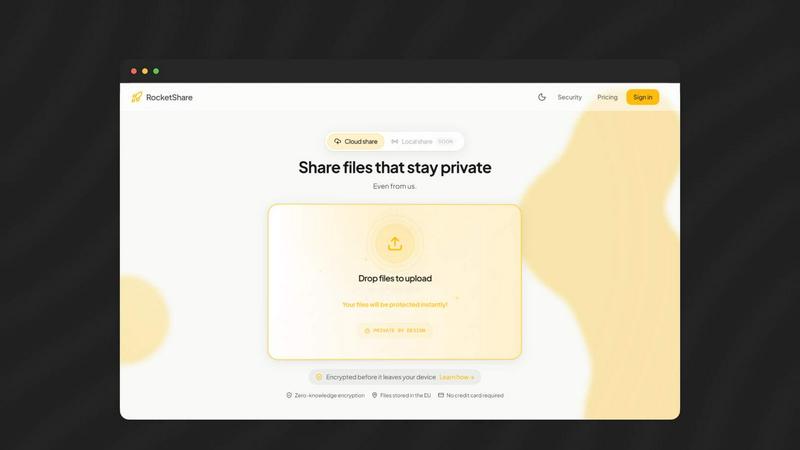
This is the cornerstone of RocketShare's security. Your files are encrypted on your own computer or phone before they are uploaded. The encryption key never leaves your possession, meaning RocketShare's servers only receive and store data that is completely unreadable to them or anyone else. This guarantees that your privacy is absolute, as even the platform itself has "zero knowledge" of your file contents.
Client-Side Encryption
Building on the zero-knowledge model, client-side encryption means the entire encryption process happens locally on your device. You don't have to trust the security of an online server because the file is already locked and protected before it ever touches the internet. This gives you full control and peace of mind from the very first step.
Flexible Sharing Modes
RocketShare offers two main ways to send files to fit different needs. Use "Cloud Share" for convenient, asynchronous sharing where files are stored encrypted on secure EU-based servers for the recipient to download. Or, choose "Local Share" for a fast, peer-to-peer transfer that sends files directly between devices without them being stored online, perfect for very large files or when you need maximum speed.
EU-Based Data Storage
For users concerned with data sovereignty and regulations like GDPR, RocketShare stores all cloud-shared file data on servers located within the European Union. This provides an additional layer of legal and privacy assurance, ensuring your data is housed under some of the world's strictest data protection frameworks.
Use Cases
CloudBurn
Preventing Cost Overruns
Development teams can use CloudBurn to identify potential cost overruns before they deploy new infrastructure. By catching these issues in the PR review process, teams can make necessary adjustments to their plans, ultimately saving significant amounts of money.
Enhancing Team Collaboration
CloudBurn fosters collaboration among team members by providing a platform for discussing financial implications. With cost estimates available in pull requests, everyone on the team can contribute to budgetary discussions and make informed decisions regarding infrastructure changes.
Streamlining Code Reviews
Integrating cost analysis into the code review process makes it easier for teams to manage their AWS expenses. Developers can quickly assess the financial impact of their changes, allowing for quicker and more efficient code reviews.
Supporting Financial Accountability
CloudBurn promotes financial accountability within development teams. By consistently providing cost visibility, it encourages developers to think critically about resource usage and cloud costs, fostering a culture of responsible spending.
RocketShare
Legal Professionals and Law Firms
Lawyers can securely share sensitive case files, client contracts, and legal briefs with absolute confidentiality. RocketShare's zero-knowledge encryption ensures attorney-client privilege is technically enforced, as no third party can intercept or access the documents, providing a secure channel for critical communications.
Creative Professionals (Photographers/Videographers)
Photographers and videographers can deliver high-resolution client galleries or raw video footage without fear of unauthorized access or piracy. The platform allows them to send huge files easily while guaranteeing that their creative intellectual property is protected end-to-end, building trust with their clients.
Healthcare and Medical Practices
Healthcare providers can use RocketShare to exchange sensitive patient records, lab results, or medical imaging in a compliant manner. The strong encryption helps meet privacy standards by ensuring patient data is inaccessible during transfer and storage, safeguarding personal health information.
Business Teams and Accountants
Teams working on confidential projects, financial reports, or business strategies can collaborate safely. Accountants can share tax documents and financial statements with clients, knowing the data is encrypted before it leaves their computer, preventing any potential data breaches or leaks.
Overview
About CloudBurn
CloudBurn is an innovative and powerful tool tailored for development teams that use Terraform or the AWS Cloud Development Kit (CDK). It is designed to help these teams avoid costly infrastructure mistakes before they are deployed to production. Many teams often encounter unexpected AWS costs weeks after their infrastructure has been launched, leading to financial strain and operational challenges. CloudBurn addresses this critical pain point by offering real-time visibility into AWS costs during the code review process. By integrating seamlessly into your GitHub workflow, CloudBurn automatically analyzes infrastructure changes and posts cost estimates directly within pull requests (PRs). This feature allows teams to have informed discussions about budget implications and make necessary adjustments before deployment, ultimately preventing financial surprises and optimizing cloud resources.
About RocketShare
RocketShare is a secure file-sharing platform built for anyone who values their privacy. It's designed to let you send files of any size with complete confidence, knowing that your data is protected from the moment you upload it. The core promise is simple: no one, not even the team at RocketShare, can ever access the content of your files. This is achieved through a powerful technology called zero-knowledge encryption. Here's how it works: your files are encrypted directly on your own device before they are ever sent over the internet. The key to unlock them stays with you, often built right into the shareable link you send. This means RocketShare's servers only ever handle scrambled, unreadable data. It offers enterprise-grade security in a beautifully simple, self-serve package that anyone can use. Whether you're a freelancer, a creative professional, or part of a large business team, RocketShare ensures your sensitive documents, client work, and intellectual property remain truly private. With options to share via the cloud or through a fast local connection, and with all data stored securely within the European Union, RocketShare is the perfect tool for combining top-tier security with effortless simplicity.
Frequently Asked Questions
CloudBurn FAQ
How does CloudBurn integrate with GitHub?
CloudBurn integrates with GitHub through a simple installation process. After installation, it analyzes pull requests and automatically posts cost estimates based on infrastructure changes.
What types of infrastructure does CloudBurn support?
CloudBurn supports infrastructure as code tools such as Terraform and AWS CDK. It is designed for development teams that utilize these tools to manage their AWS resources.
Can I try CloudBurn for free?
Yes, CloudBurn offers a 14-day Pro trial with no credit card required. This allows users to experience all Pro features for free before deciding to subscribe.
What happens if I exceed my budget?
CloudBurn helps prevent exceeding budgets by providing real-time cost estimates before deployment. If an estimate exceeds your budget, you can adjust your infrastructure changes accordingly before they go live.
RocketShare FAQ
How does RocketShare's encryption work?
RocketShare uses a method called zero-knowledge, client-side encryption. When you select a file to share, our application on your device immediately encrypts it using a unique key before it is uploaded. This key is what decrypts the file, and it is never sent to our servers. Often, this key is embedded in the download link you share. This means we only handle encrypted data that we cannot read or access.
What is the difference between Cloud Share and Local Share?
Cloud Share uploads your encrypted file to our secure servers in the EU, generating a link you can send. The recipient can download it anytime. Local Share creates a direct, peer-to-peer connection between your device and the recipient's device for the transfer. The file never passes through our servers, making it faster for large files and keeping it entirely off the cloud.
Is RocketShare really free to use?
Yes, you can start using RocketShare's core secure sharing features without providing a credit card. This allows you to experience the privacy and simplicity of the platform firsthand. We believe in making true security accessible to everyone from the start.
Where are my files stored?
For files shared via Cloud Share, the encrypted data is stored on our secure servers located within the European Union. For Local Share transfers, files are sent directly between devices and are not stored on any server. In both cases, the actual content of your files remains encrypted and inaccessible to anyone without the unique key.
Alternatives
CloudBurn Alternatives
CloudBurn is a robust tool that falls within the category of cloud cost management solutions, specifically designed for development teams using Terraform or the AWS Cloud Development Kit (CDK). It aims to prevent costly infrastructure mistakes by providing automatic AWS cost estimates during the code review process. With CloudBurn, teams can gain real-time visibility into potential expenses, helping them make informed decisions before their changes reach production. Users often seek alternatives to CloudBurn for various reasons, including pricing constraints, specific feature needs, or compatibility with different platforms. When searching for a suitable alternative, it's essential to consider key factors such as the accuracy of cost estimations, integration capabilities with existing workflows, and the level of detail provided in cost breakdowns. This way, teams can ensure they choose a tool that aligns with their unique requirements and budgetary goals.
RocketShare Alternatives
RocketShare is a secure file-sharing service in the productivity and management category. It stands out by using zero-knowledge encryption, meaning your files are encrypted on your device before upload, and not even the company can access them. This makes it a top choice for sending highly sensitive documents, client work, or confidential business files. People often look for alternatives to tools like RocketShare for various reasons. You might need a different pricing plan, specific collaboration features like real-time editing, or a platform that integrates with other software you use. Sometimes, a simpler or more familiar interface is the main goal. When choosing an alternative, focus on what matters most for your tasks. Key considerations are the level of security and privacy offered, the maximum file size you can send, how long your shared links remain active, and where in the world your data is stored. Balancing these factors with ease of use will help you find the right fit.